When was the last time you went for a walk as a tourist in your own town, city or suburb? We spend hundreds and thousands of dollars every year to go somewhere foreign or exotic and take our camera out, blow off the dust and take pictures. BUT when was the last time you wandered around Brisbane City, Bulimba or Capalaba?
I can hear it already: “But I am too busy”, “I don’t know what to photograph”, “I need inspiration to shoot”. So here it is!
Go for a 15 minute walk down your street. Take your camera, don’t take your phone (unless it is your camera). Don’t walk the dog, just walk. Slowly. Look UP, look down, look around you, and take in all that your street has to offer. I am sure that you will find something to photograph in the first 100 metres – a flower, an interesting tree, a spider web, a hood ornament, or even just the clouds!
Whatever it is, try to photograph it in three different ways, and change the style in each. Use a different aperture or a slow or fast shutter speed. Photograph it close up. I have added some examples below to show you what I mean, as I live in Bulimba. Here are my Bulimba photos.
 Star trails and Planes; Canon 5D II, 16mm, F6.7, 189 shots at 20 seconds per shot (About 63 minutes). I didn’t even leave the house for this one, taken from my bedroom balcony, this is the stars the moon and some planes coming into land. This post will tell you how I did it.
 CityCat at sunset; Canon 5D II, F6.7, 1/20th, ISO 800. Taken at the Hawthorne Ferry Terminal just as the CityCat was leaving. This used a panning technique.
 All clear on final; Canon 7D, F4.5, 1/1500th, ISO 400. This macro shot was taken in my back garden. Less than five steps from my back door.
 Bulimba Ferry Terminal; Canon 5D II, F2, 1/1500th, ISO 50. I dropped my wife to the terminal and noticed the sun on the terminal building. I took this shot as part of my 365 photo a day challenge.
 Sunsets and CityCats; Canon 5D II, F2, 1/45th, ISO 50. I saw the rays as I was driving home and thought the Hawthorne ferry terminal would give me a nice vantage point.
 To Bulimba; Canon 7D, F9.5, 30 seconds, ISO 400. I missed the ferry to Bulimba, and while I was waiting (without a tripod) I put my camera on the ground, propped it up with my wallet and took this long exposure.
 Dodge; Canon 1000D, F2.8, 1/350th, ISO 400. This was parked just out front of the Jetty Bar at the end of Oxford Street in Bulimba. As it was an old car, I thought I would give it a black and white process.
A picture can be taken anywhere, so take your camera with you and you will be surprised what you find.
Try This
Have a go! If a 15 minute walk up the street is too far, check out your garden. Or take a ferry instead of driving so you can enjoy the scenery.
If you are planning a holiday, why not get your camera out now and get back into using it, or if you need a little push, we have our holiday memories photo walk, to help you learn more about holiday photography.
 This image shows the open water swim aspect, shows the competition as they are all wearing the same caps, and shows some competition, but it does not show the location.
 This image shows off the location, and if you look closely enough you can see the competition but it’s not the focus of the shot. Again it tells a story but not the whole story.
 This image now shows the open water swim, the Brighton Jetty location and the competition. It tells the whole story. The three aspects are combined into the one photo.
 Lastly I was asked to capture a Ford fanatic’s large car collection, and his large shed. He also drives a sprint car. To get all of that into one picture I took this shot, bearing in mind the green car was not running at the time, so the shed had to be the location for the shoot. This photo was commissioned for Street Machine Magazine.
 Canon 40D, ISO100 1/80th 135mm F7.1: By panning with the car I have been able to keep the car sharp while it was driving past me at about 120km/h. By using a large number F there is enough depth for the driver to be sharp as well.
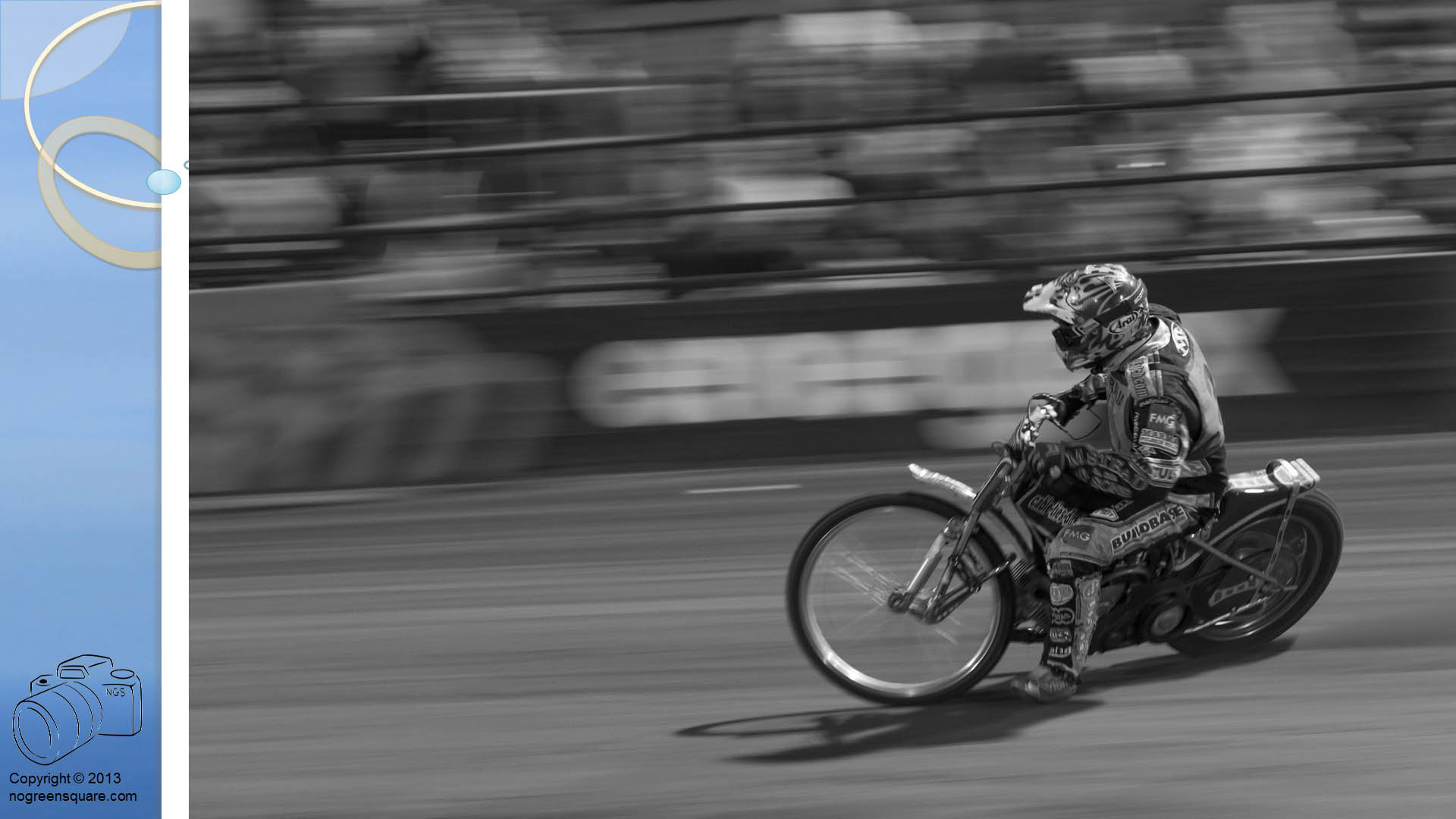
 Canon 7D, ISO1600 1/60th 105mm F4: By panning at such a slow shutter speed I have removed the distracting crowd in the background of this shot, and the focus remains on the driver and his bike.
 Canon 5D II, ISO50 1/60th 70mm F14: The timing tower and the white building at Lakeside are quite an eyesore. By panning and blurring the background, the car (the subject of this photo) is more prominent.
 Canon 5D II, ISO400 1/180th 50mm F6.7: This shot was taken from a moving train in Intelaken, Switzerland. I wanted a slow shutter speed so the waterfall wouldn’t look frozen, by panning I have allowed the shot not to blur.
 Canon 7D, ISO100 1/80th 16mm F9: The blurry brown in the foreground is tall grass. As the sun was behind me, this was “the best angle” from which to capture this car. However the grass in the foreground was in the way. I couldn’t move the grass, so I had to use a slow shutter speed to blur it out of the photo.
 Top Left, Canon 5D II, ISO400 1/125th 70mm F8, Bottom Right, Canon 5D II, ISO100 1/125th 150mm F3.5: The fence in the top left picture is starting to disappear with some panning at 1/125th. By getting closer to the fence, using a longer length lens and a smaller aperture, the fence in the bottom right almost looks to have disappeared.
 Boat on Brienzsee, Ringgenberg; using a wide angle lens gives the mountain’s behind the boat some perspective.
 Flying Scotsman, Paris; the
  Pimlico Tube Station, London; by taking this photo at 1/8th of a second, the train moving out of the station has been accentuated. By using the right balance of
  Boats for hire, Lake Como; by using a tripod and a long
  Flower bokeh, Rothenburg; by using a very small number
  Spiral staircase, Arc de Triomphe; by using a fisheye lens, the spiral of the staircase has been exaggerated.
 Dole Reflections, Dole, France; by using a
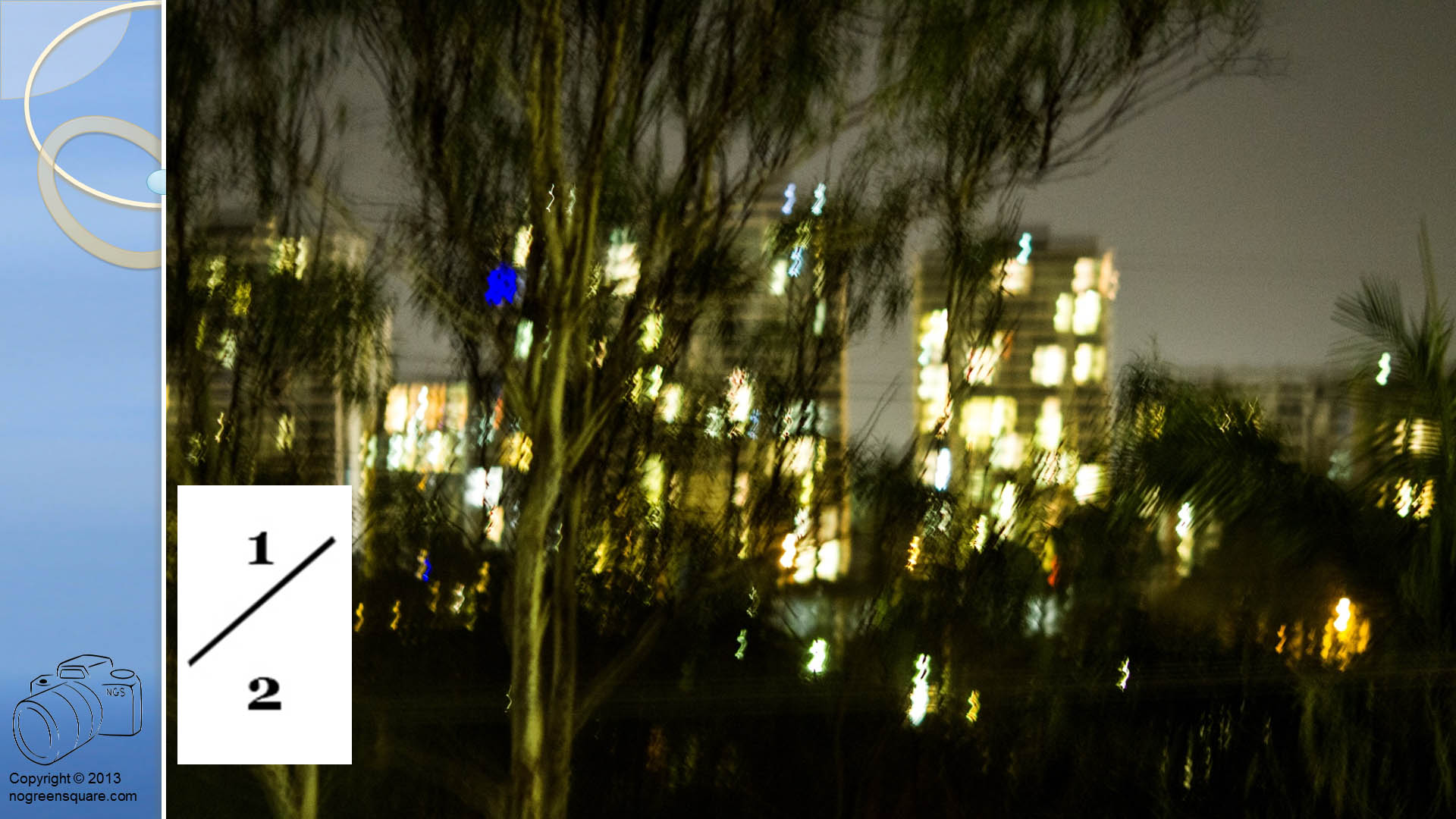
  You can see in this picture that everything is blurry. This is a result of using too slow a shutter speed and the camera moving while you take the picture. This is where an image stabilised lens could have helped keep the camera still enough to avoid the shake that is in this picture.
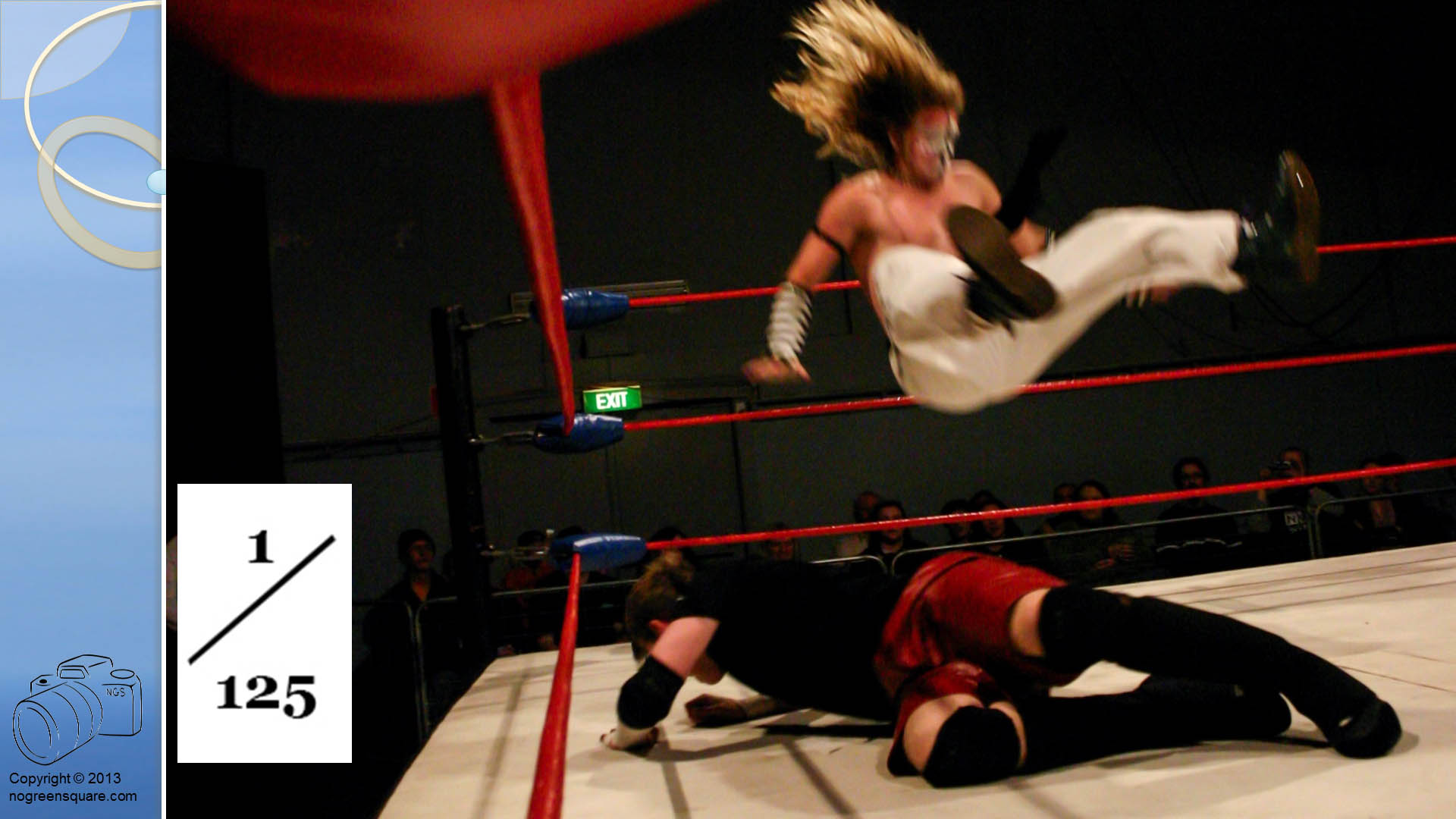
 In this image, even with a fast enough shutter speed to hold the camera still, the subject was moving and has been blurred. In this case an image stabilised lens would not have helped at all.
 The above shot was taken on the
  You can see that the frogs eye is not sharp in this photo, its slightly closer than the frogs eye. This would have been due to me moving slightly back as I was taking the picture. This was taken at F6.7 the depth of field at this distance and aperture is about 5mm.
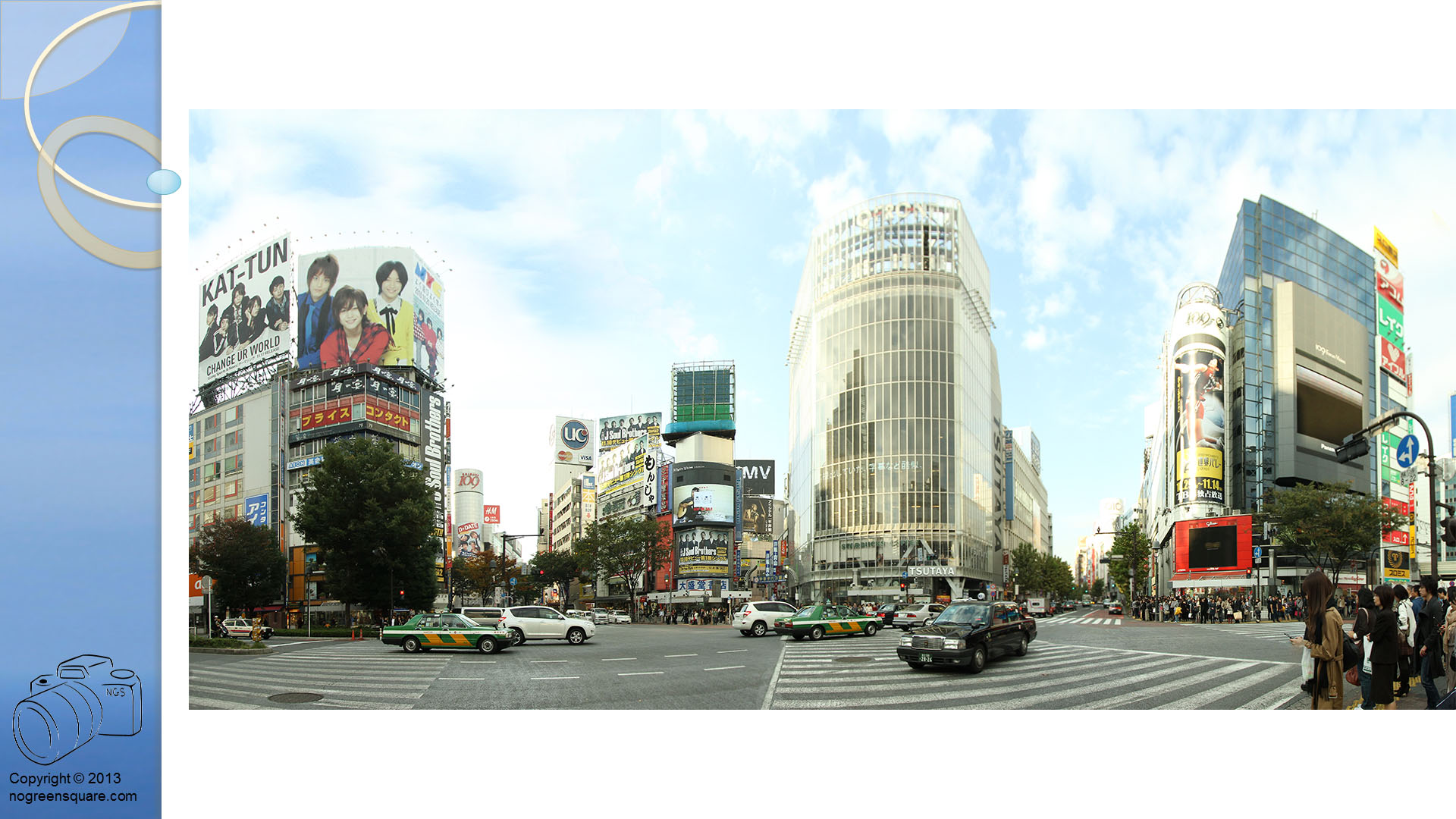
 Shibuya Crossing, Japan; 9 shots. Taken on a Canon EOS 7D at 10mm. If you look carefully, the taxi and white car appear twice as they were moving through the scene as I was taking the images.
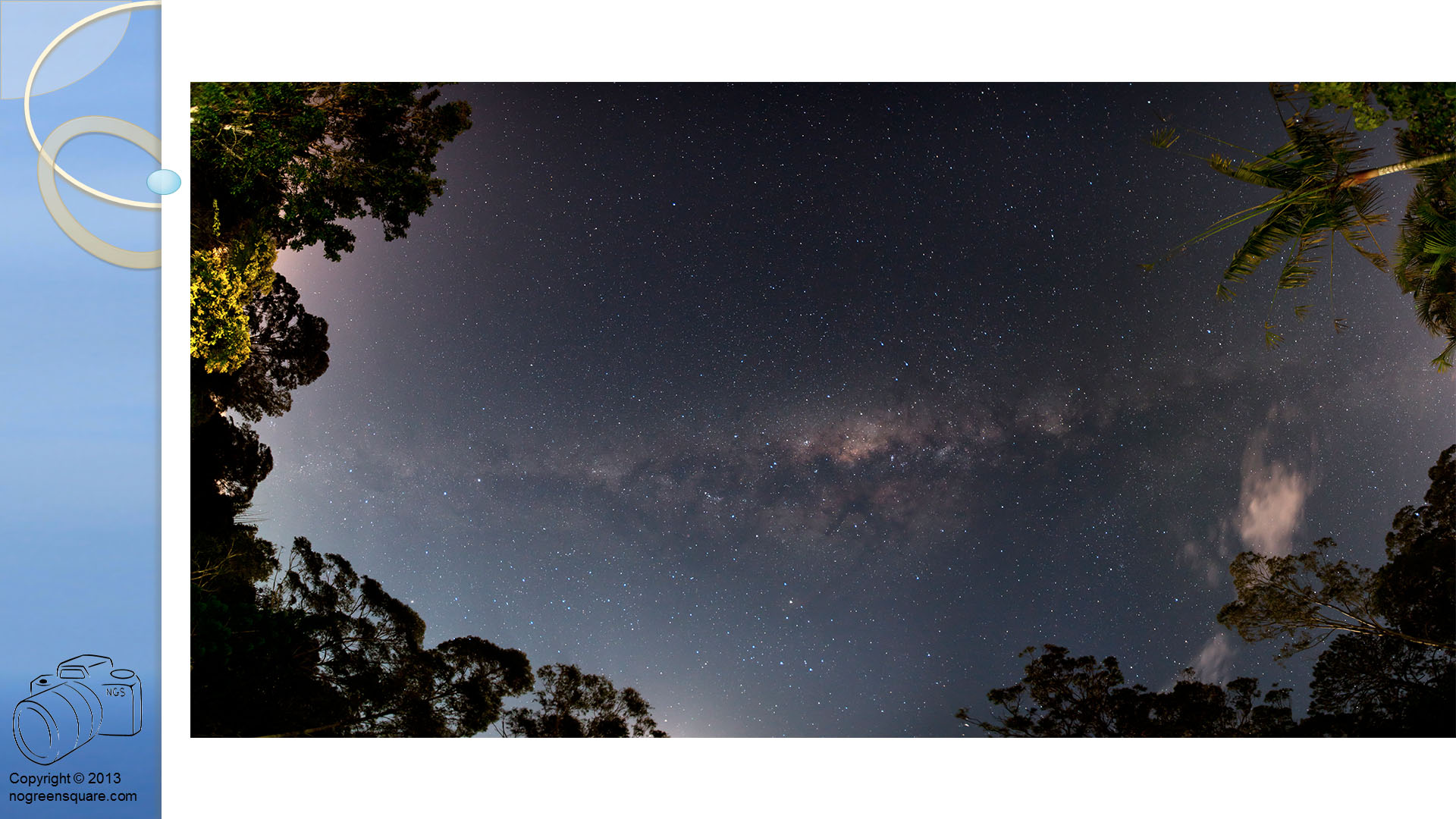
 The Milky Way, 11 shots. Taken on a Canon EOS 5D Mark II, and at 18mm the left and right of the photo are opposite horizons.
 Moffat Beach, Australia; 41 shots. The exposure was set for the middle and right of the image and the sun has slightly blown out (created the very bright white areas) on the left.
 Brighton Jetty Classic 2010, Australia; 9 shots taken from a helicopter as it flew left to right.
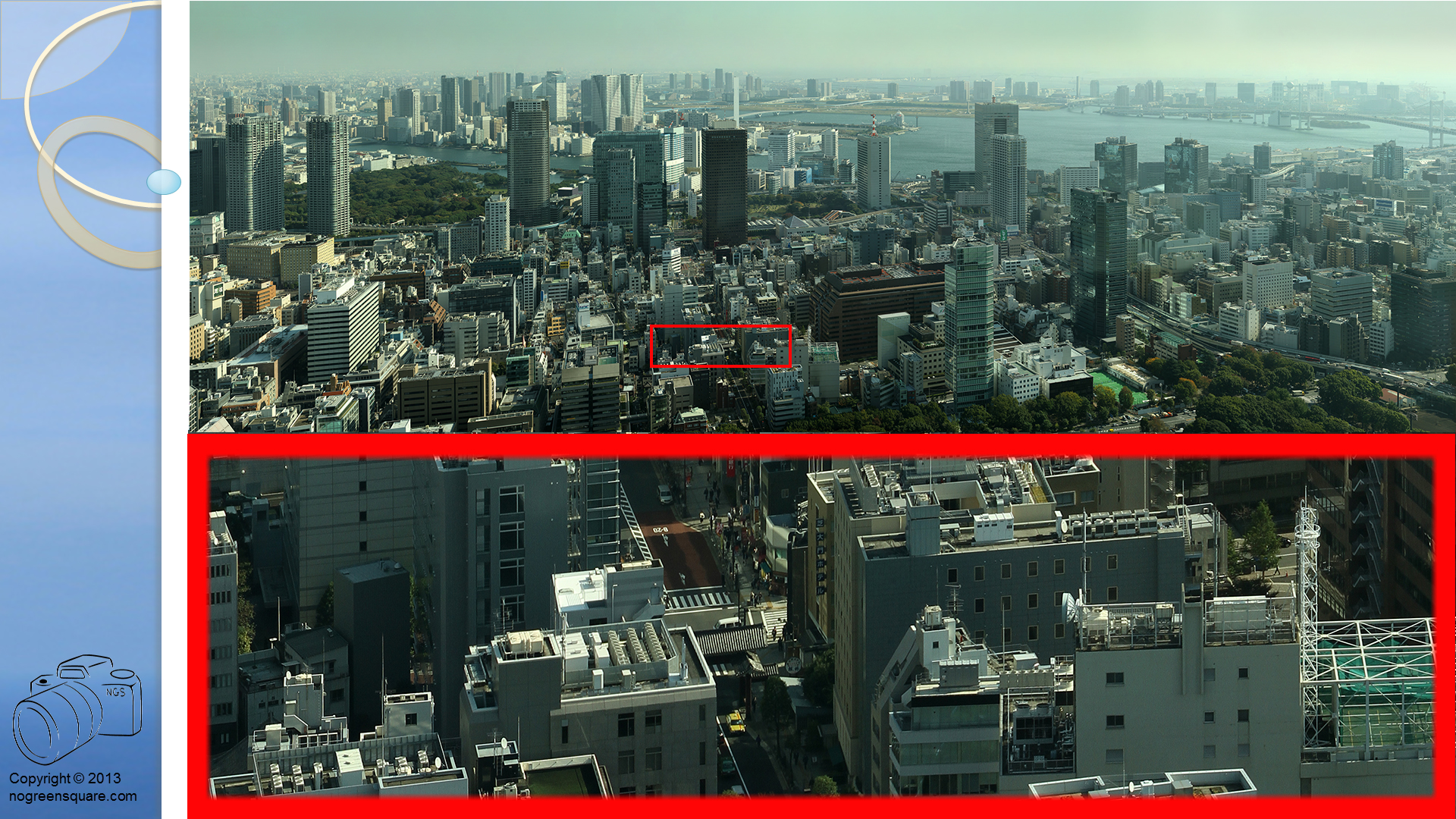
 Tokyo, Japan; 83 shots 3 rows high and 27 shots wide. Taken from the Tokyo Tower, the section in the large red rectangle is a crop of the small section in red on the main picture. This image could be printed 3m tall and would be about 27m long.
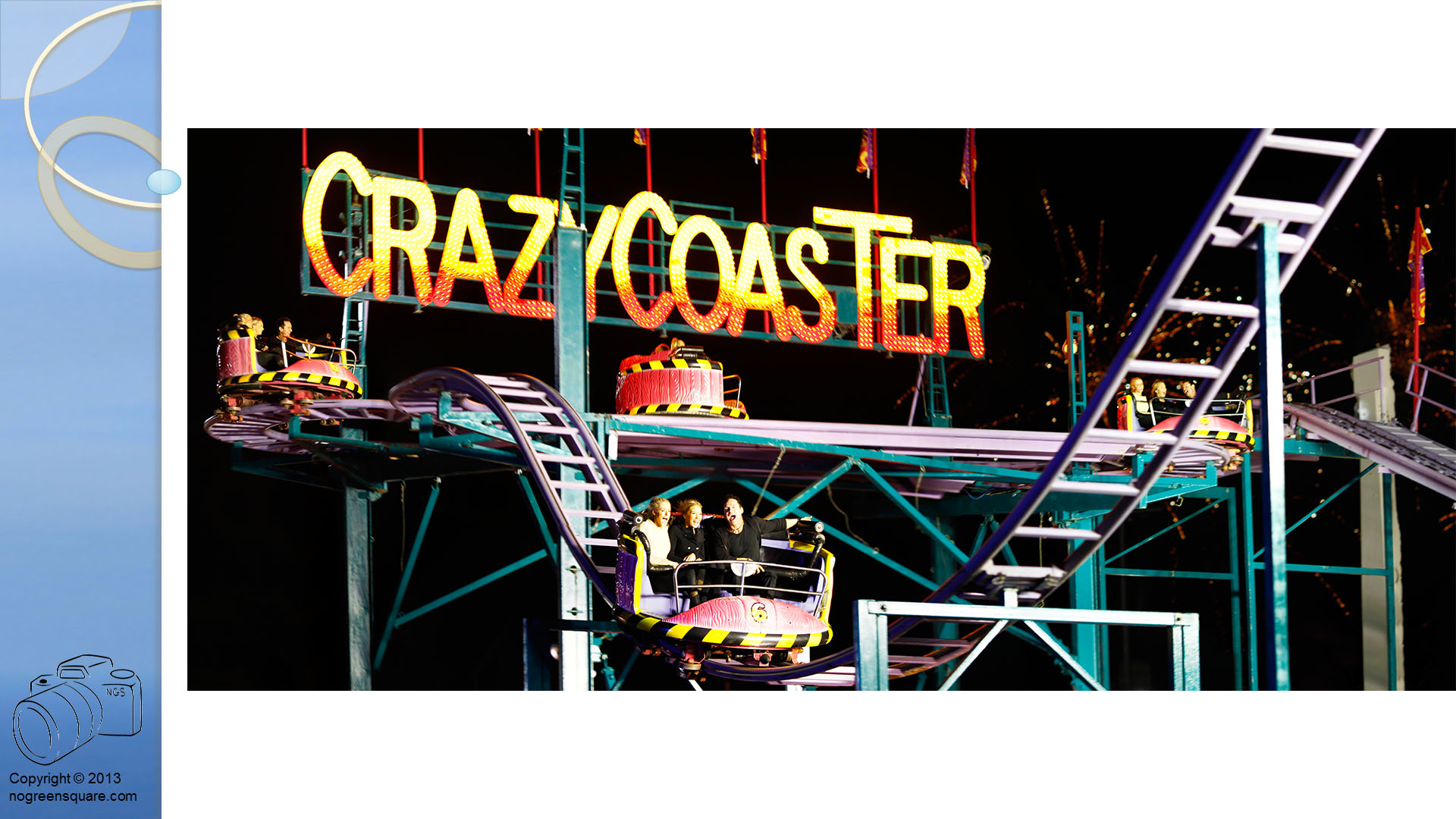
 Crazy Coaster, Brisbane Ekka 2012; These images were never shot to be a panorama, but I saw the opportunity to see if they would work, and it did. If you look carefully, the riders are the same in each car. So dont be scared to give something a go!
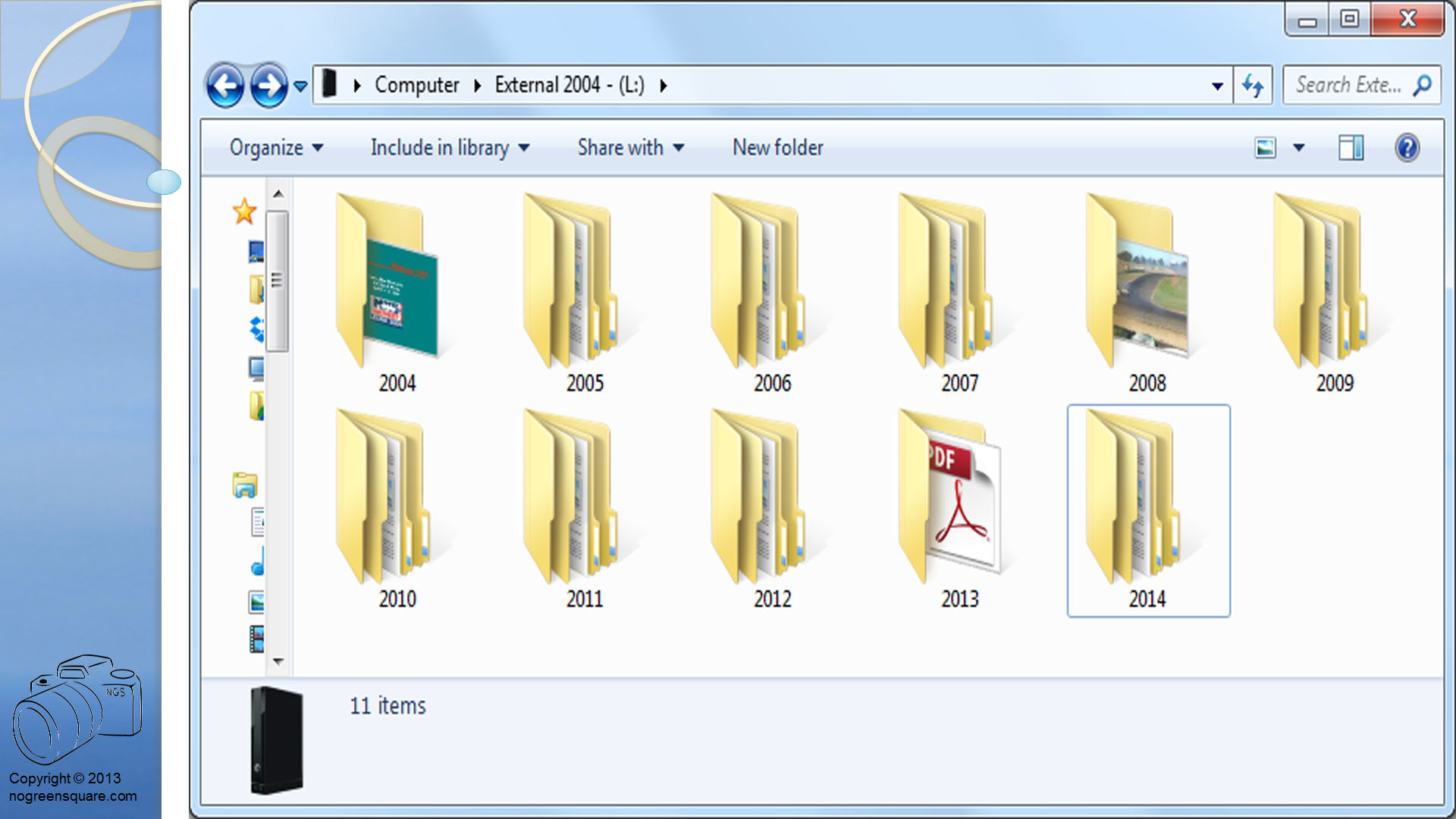
 This is my external drive structure. Each folder contains backups. My backups are manual and I usually backup after a major event or shoot.
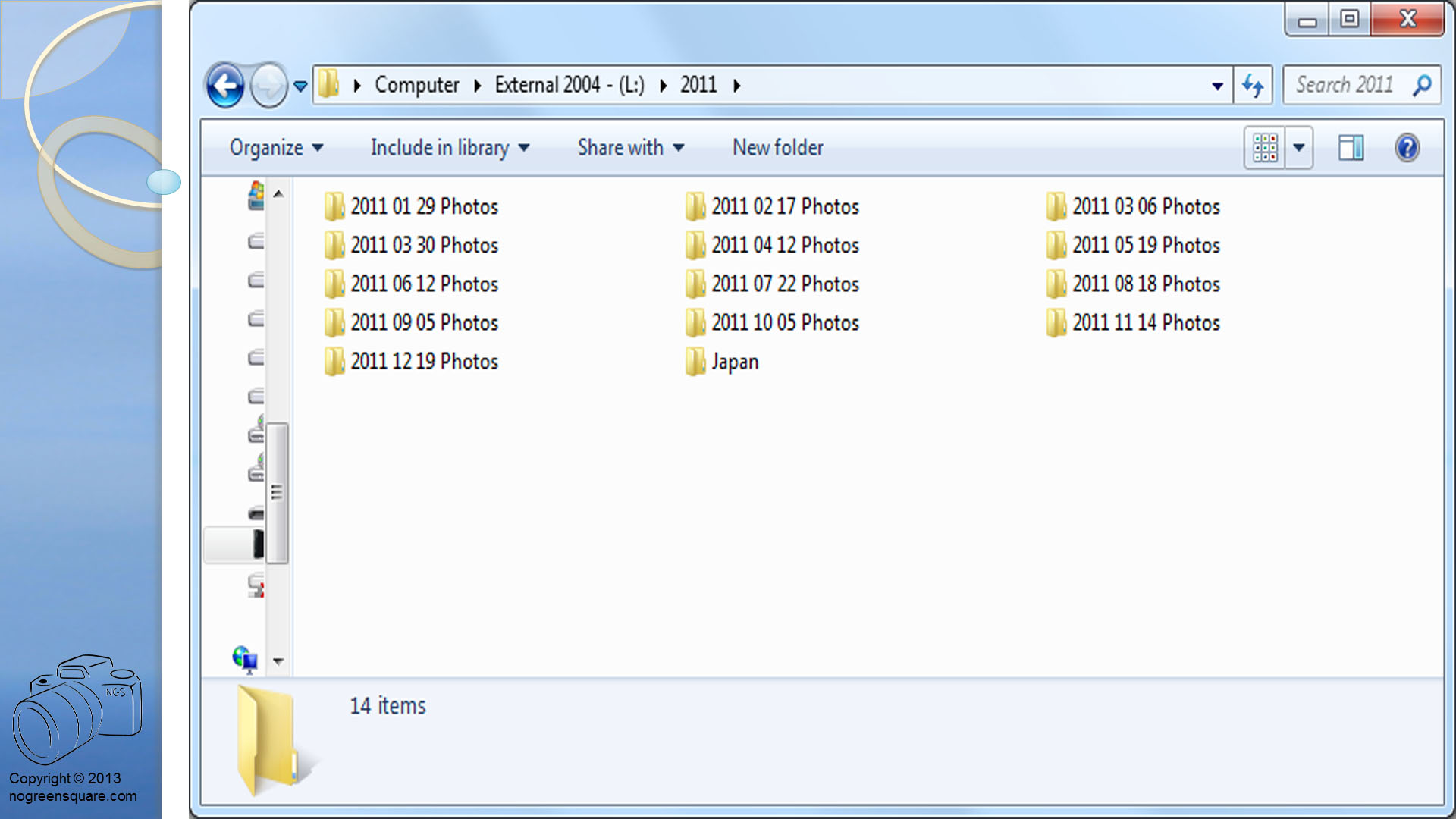
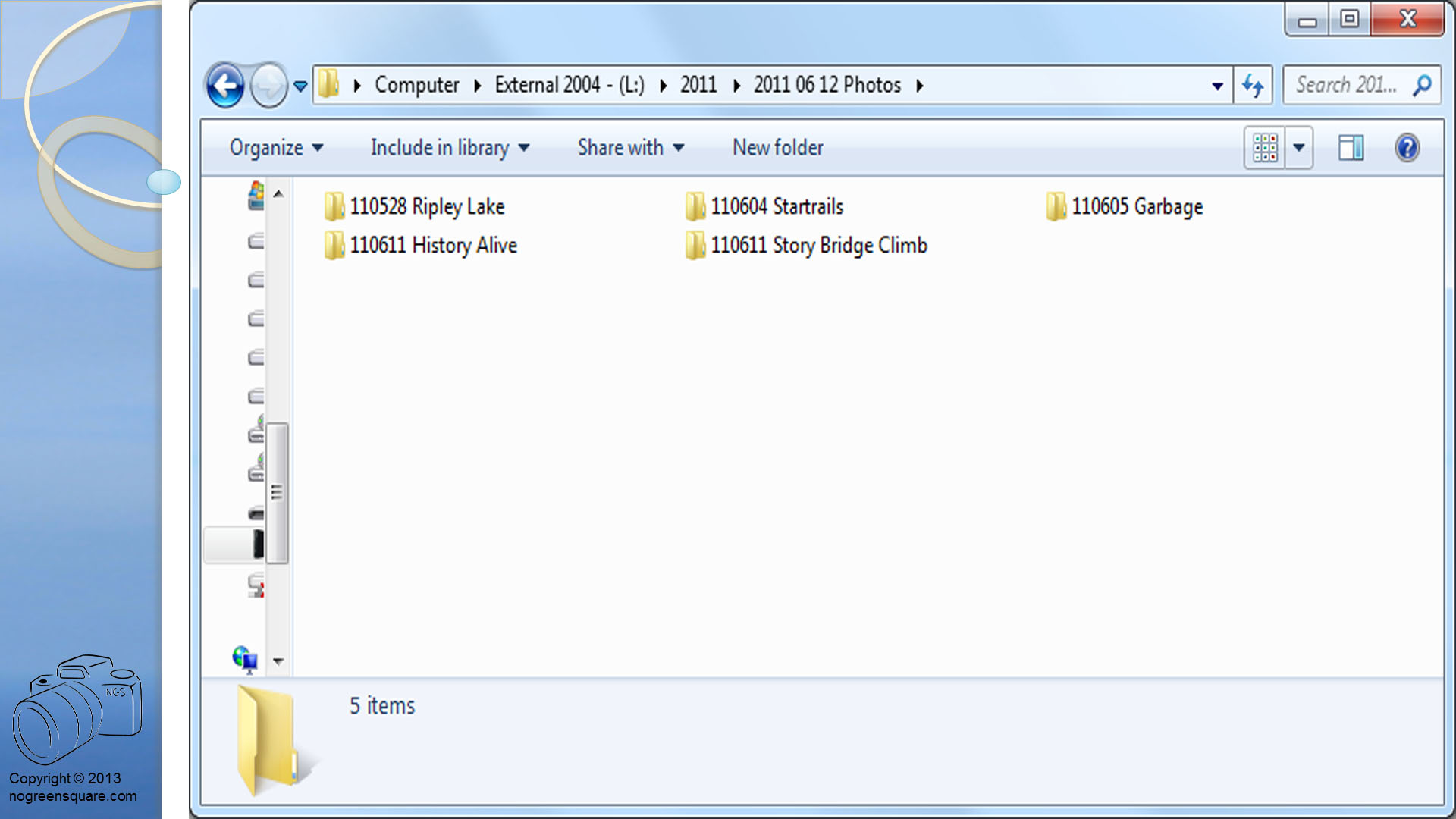
 This is what the 2011 folder looks like. Each folder is named as per the day I did the backup.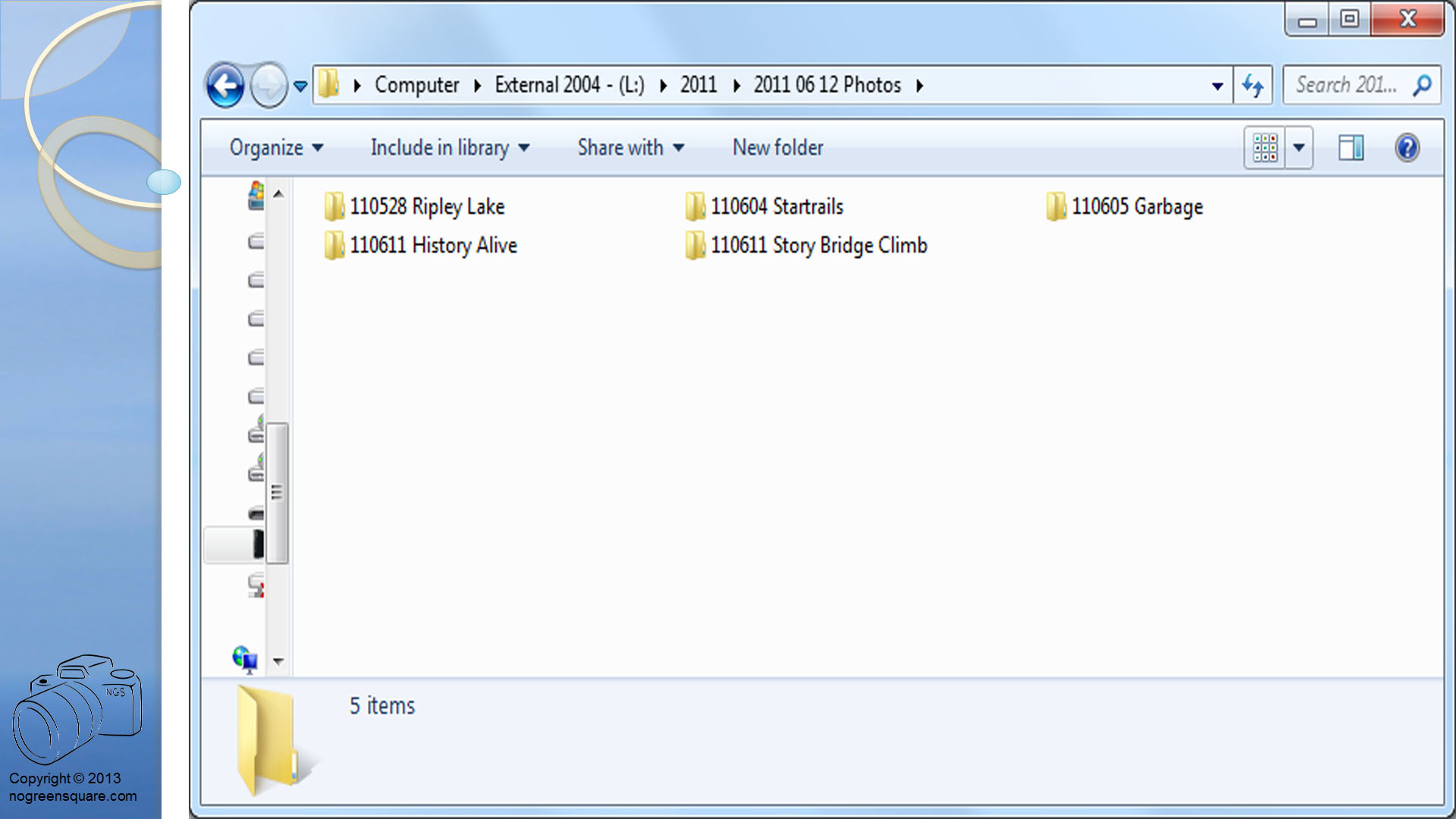
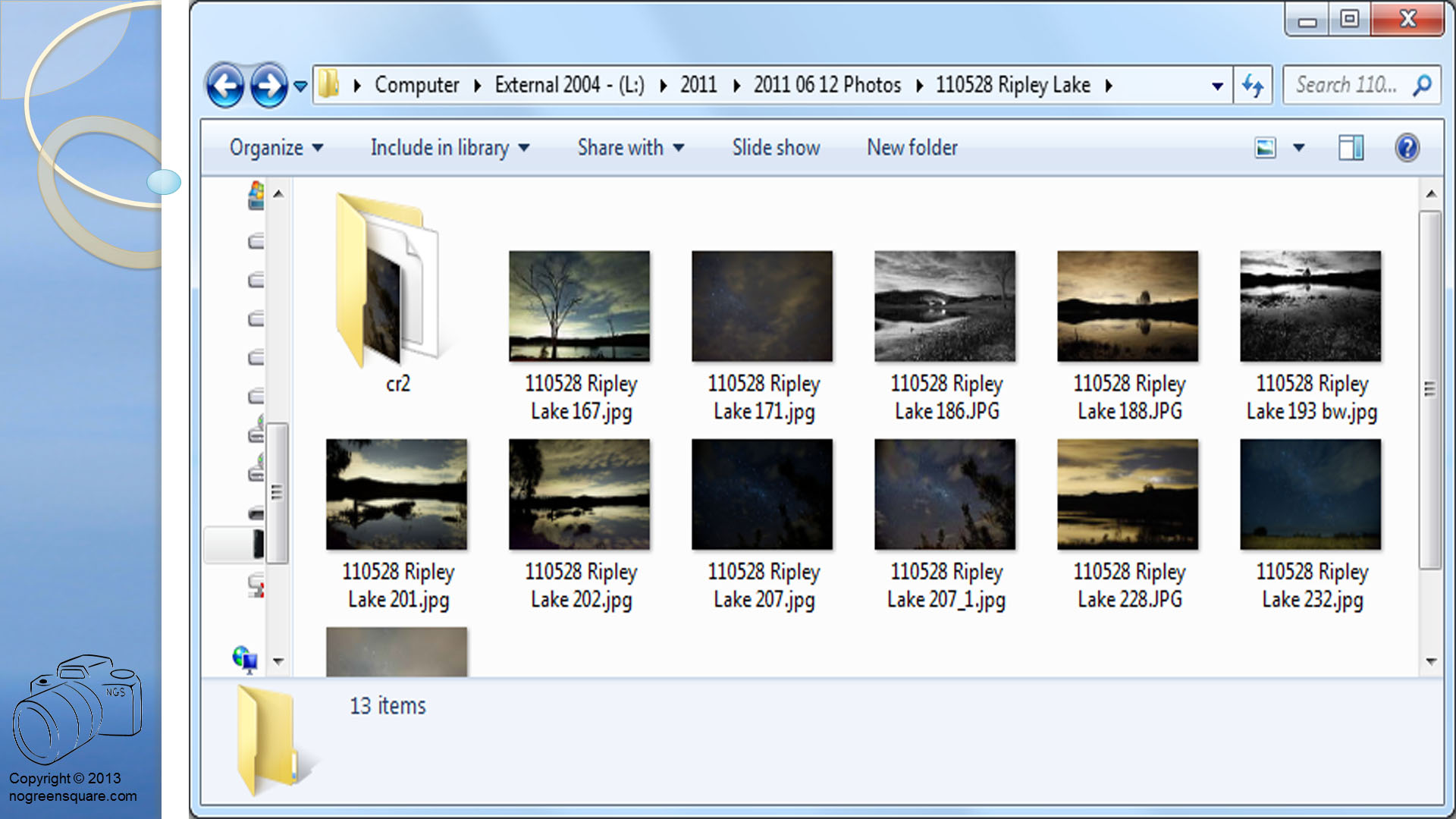
 If I open the 110528 Ripley Lake folder I will find the following jpgs each with the same file naming convention. And the RAW files are in the CR2 folder.


 Sunset over Mount Fuji from the Shinjuku Government Tower, Japan
 Sunrise over Ankgor Wat, Cambodia
 Junks in Ha-Long Bay, Vietnam
 Lake Manchester on Fraser Island, Australia