Here’s our Top Travel Tips for Photographers:
1 Take your charger, even if it’s only a weekend away! Charge the battery every night to ensure your camera is ready when you need it. And remember, cold weather shortens the life of batteries.
2 Take lots of memory cards. They’re cheap, and why risk missing out on that once-in-lifetime shot because your memory card is full? Make sure you format them in the camera before you leave. If you are planning to take lots of pictures and are wondering whether to buy one big card or several smaller ones, we recommend buying many smaller ones. If you lose the one big card, or gets damaged/corrupted in some way, you will lose all your photos.
3 With this in mind, don’t be scared to take one extra photo. You may never come back! Also, don’t delete a picture off the back of your camera without first looking at it in on your computer. The camera’s screen is too small to have a thorough look at the image and you might miss something interesting in the background.
4 Backup the pictures! Keep the used cards separate from your camera (and secure) in case it gets lost or stolen.
5 Be aware of visiting places where taking pictures may not be condoned or may be against the law. As a rule of thumb, avoid photographing inside airports, at border crossings, where there are police or military officials etc. Respect signs that say “no photography”. Also, different countries have different laws about what is acceptable as far as photographing people – research this before you go!
6 If you don’t have a tripod, a bin/chair/or the ground can be a great makeshift tripod.
7 If you are taking pictures at night, and the camera suggests using a tripod or you cannot get sharp photos because the shutter speed is too low, you can use your camera’s self-timer for a hands-free shot that minimises camera shake.
8 Use your shadow as a guide. It’s best to keep your back to the sun when taking pictures so if you look down and see your shadow you’re looking the right way. Of course this is not always possible.
9 Be creative and don’t forget to change your point of view. Don’t just arrive at a scene and take the first shot you see. Remember to think about WHAT you would like to highlight in the scene.
10 Keeping a shopping bag in your pocket or camera bag is a great way of protecting your camera if it rains.
11 Test your camera before you go away. Learn how to use it, and try not to buy it the week before you go away. If you’re flustered and have not read the new manual or are not familiar with the camera, you may not be getting the best out of it.
These tips will ensure that you capture some awesome memories of your trip. And on a final note, make sure you have the camera ready at all times – you never know what’s around the next corner.
Examples
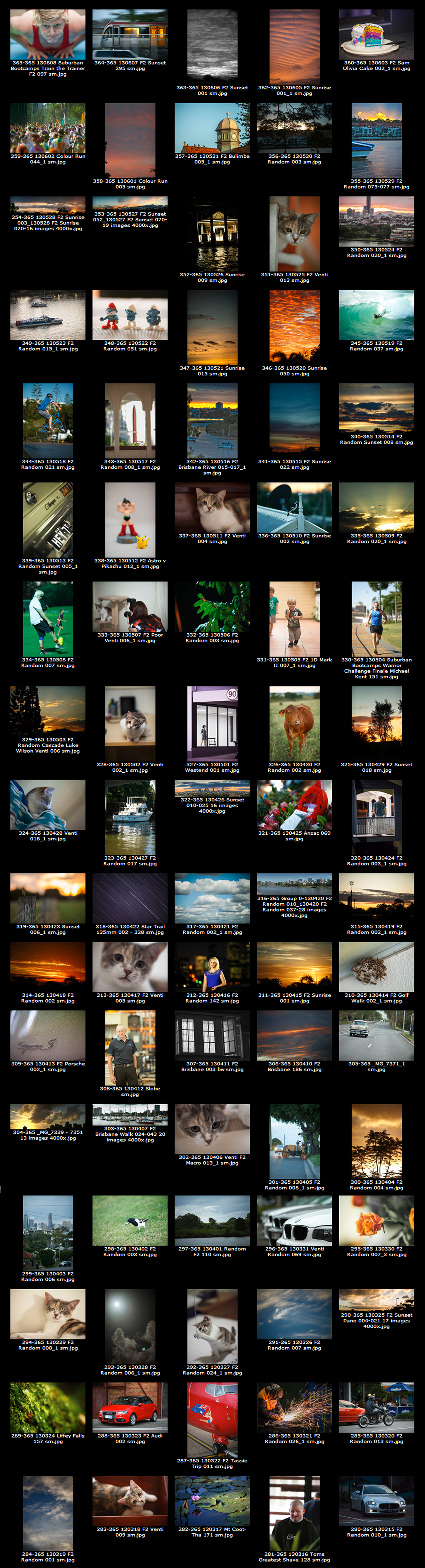
Here are some photos from our travels. Head on over to our No Green Square Facebook page and post your best travel photos.


Try This
While traveling, keep your camera handy and ready to take photos. Try to get some shots that are a little different from the norm, using a different angle or perspective.


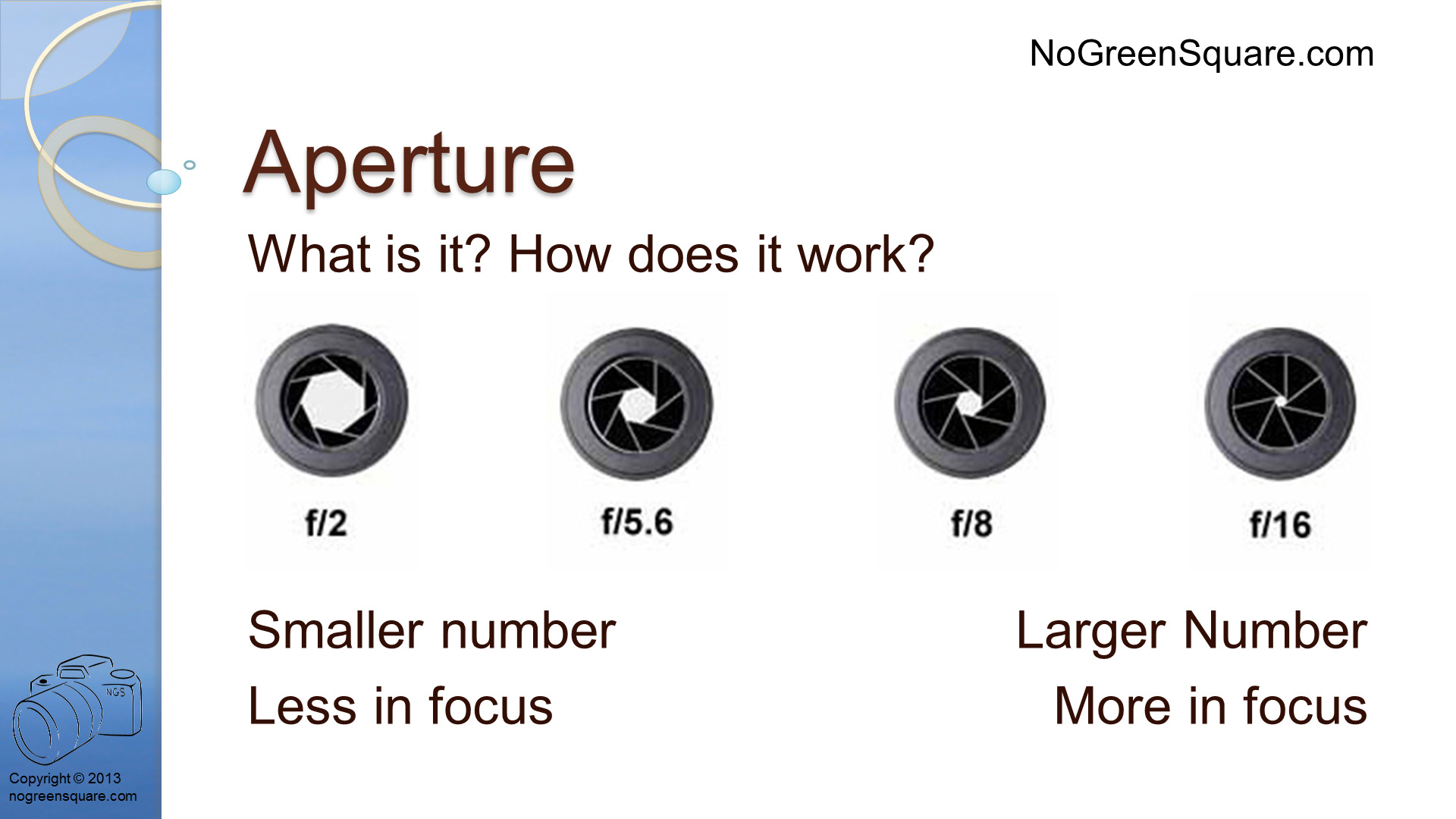
 I took the picture above in 2004 on a then new Canon 300D (using a 18-55 kit lens). The picture settings were F16 (aperture), 60 seconds (shutter speed), and ISO 100. I processed the image with the Canon Raw editing software supplied with the camera.
 I can now process that file with the latest Adobe Camera Raw Editor. You can see the many sliders and variables that can be used to adjust the look of the image. Please note that when you open the file, all the sliders are set to 0.
 In this image, I have moved the sliders, and the image has changed:



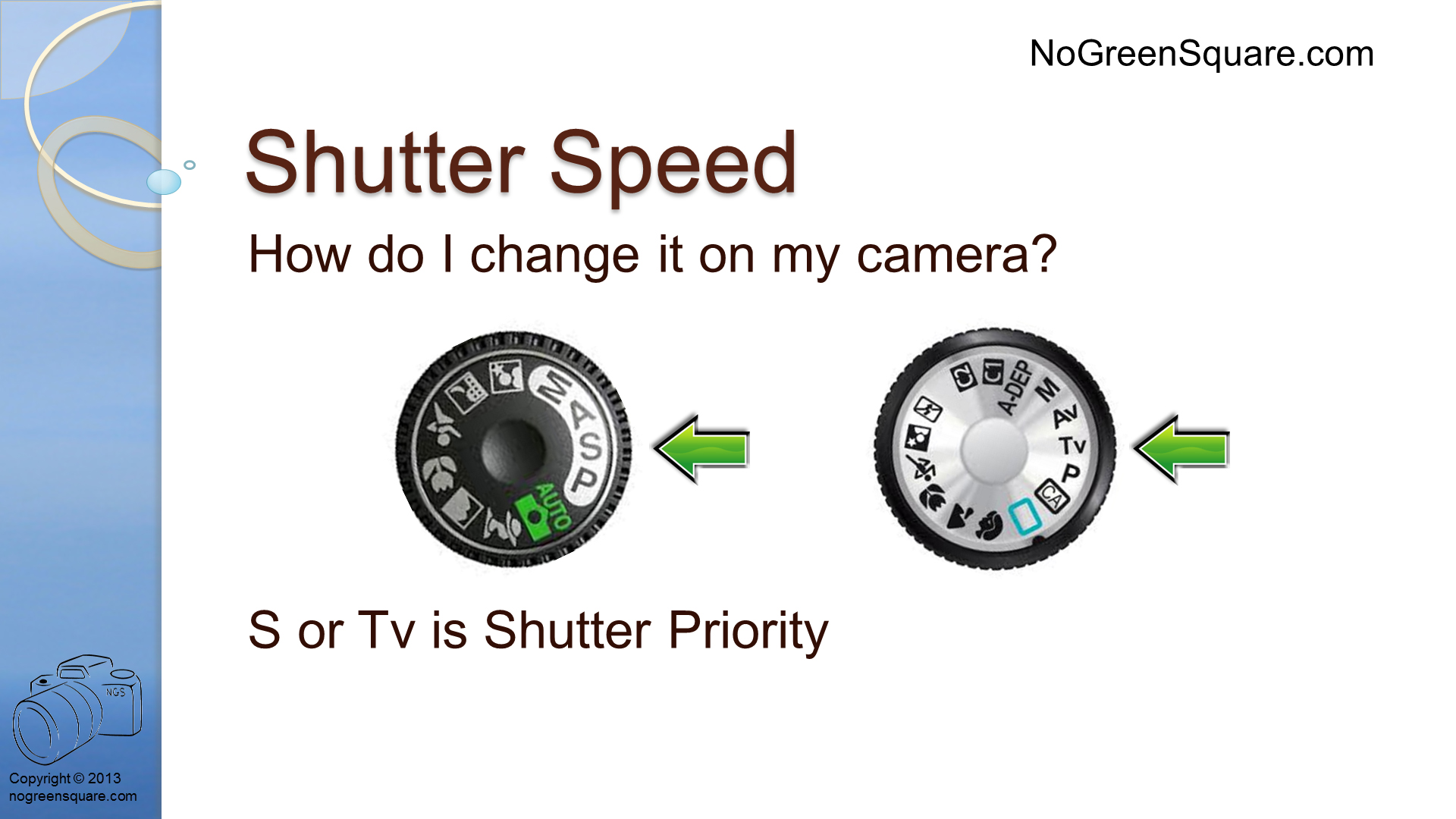

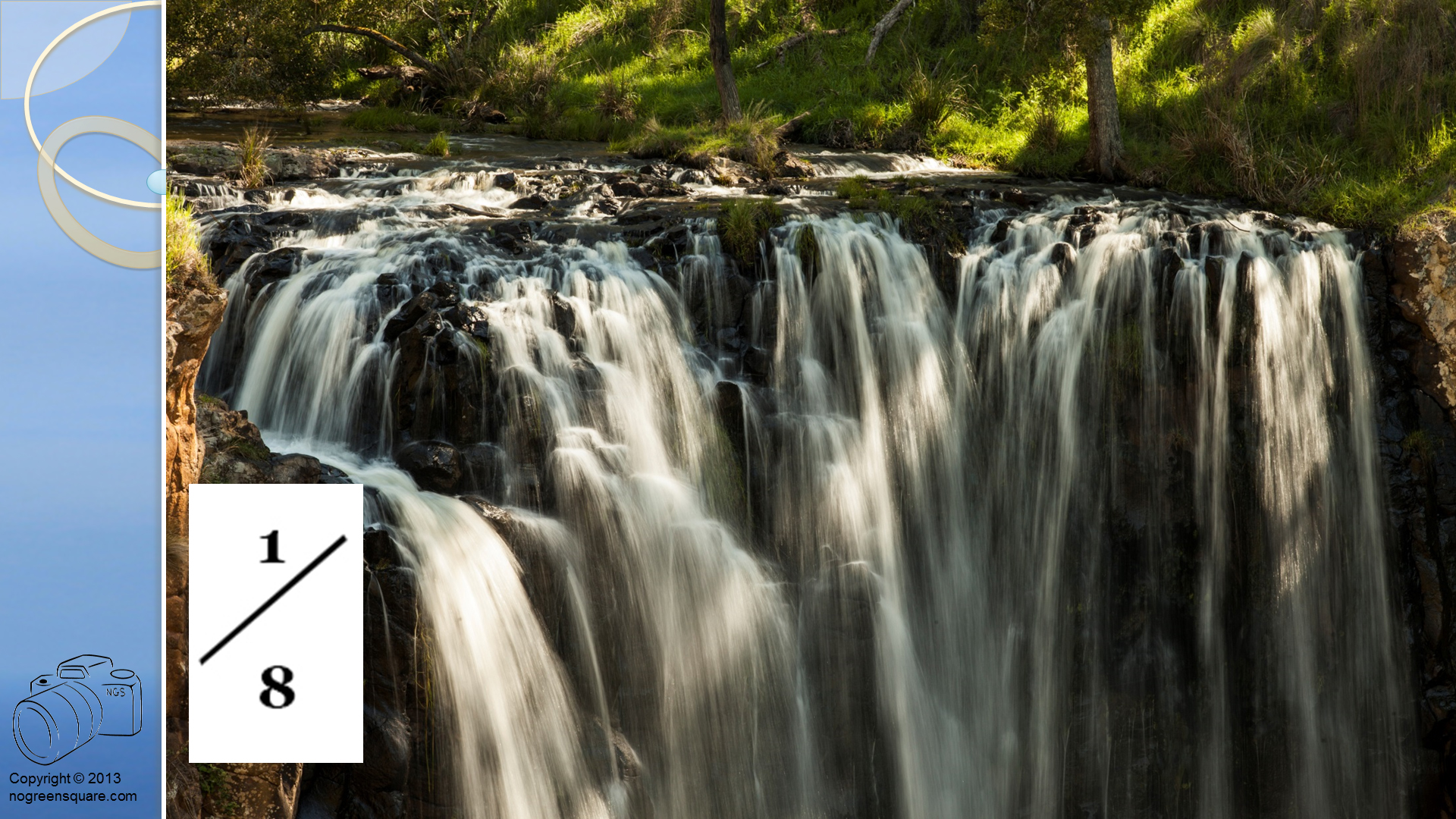
 Slow Shutter: the cars are so blurred they are not visible. All you can see is their headlights / tail lights.
 The picture above was taken in 2007 on a then new Canon 30D, the picture settings were Aperture F5.6 Shutter Speed 1.6 seconds and ISO 1250, the image to the left has been processed to look like it was taken on a 1000D at the same ISO, with newer technology that has better ISO, there is less noise.
 This picture was taken at 3200 at about 9.30 at night, the high number allowed me to take this picture where the only light available was moonlight. The Aperture was F2.8 and the shutter speed was 1/60th.
 This shot is a crop of the original shot to show the noise that was around with older cameras, this was taken on a Canon 300D, the settings were Aperture F3.5 Shutter speed 1/160th and ISO 1600, you can see the grain mostly in the darker areas of the image.
 I have reprocessed this image and reduced the noise but there is still a little evident. Newer cameras will do this for you in camera without the need for reprocessing.
 This image was taken in such a dark setting that the camera needed a torch to focus! The settings were Shutter speed 1/10th Aperture F4 and ISO 1600, the settings were used to bring out the background that was extremely dark, the couple were lit by two flashes.